US–Iran Peace Talks: A Step Towards Stability
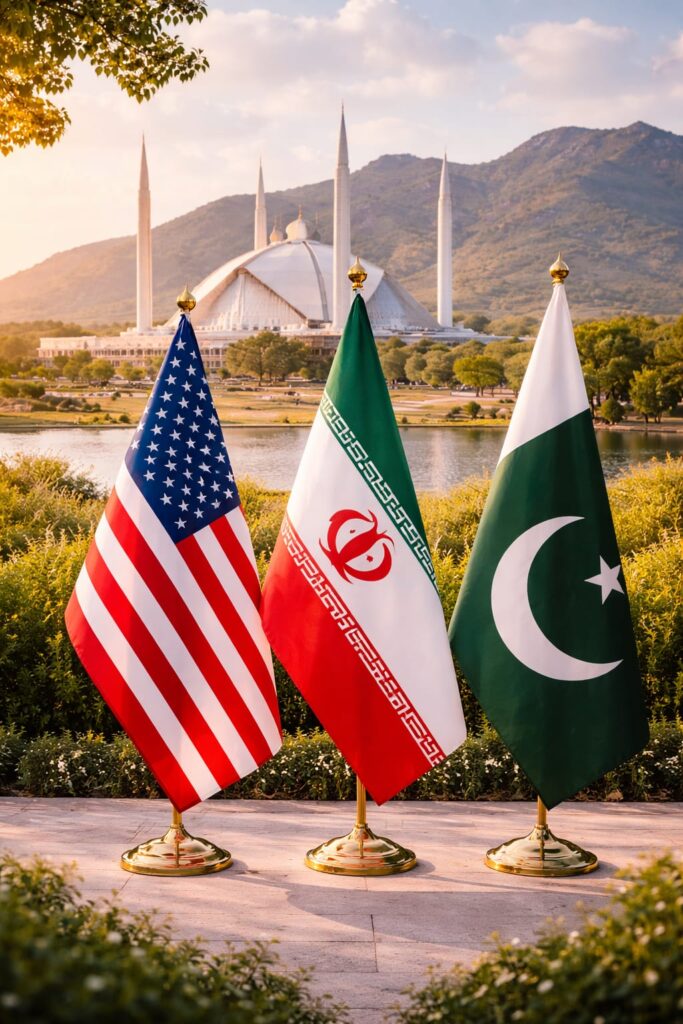
The recent peace talks between the United States and Iran mark a significant development in global diplomacy. After years of hostility, rising tensions, and military confrontations, both nations have finally come to the negotiation table in an effort to restore stability in the Middle East. These talks, taking place in Islamabad, Pakistan, highlight the urgent need for dialogue over conflict.
The primary reason behind these negotiations is the recent escalation of conflict between the two countries. Tensions had reached a dangerous level, affecting not only the region but also global peace. One of the most critical consequences of the conflict was the disruption of the Strait of Hormuz, a vital route for international oil trade. This disruption caused concern worldwide, as it directly impacted energy supplies and global economies.
The United States and Iran have different objectives in these talks. The United States is focused on limiting Iran’s nuclear program, reducing its missile capabilities, and ensuring freedom of navigation in international waters. On the other hand, Iran is demanding the removal of economic sanctions, access to its frozen assets, and recognition of its role in regional security. These contrasting demands make the negotiation process complex and challenging.
Pakistan’s role as a mediator is particularly important. By hosting these talks, Pakistan is demonstrating its commitment to regional peace and diplomatic engagement. Acting as a neutral ground, it provides both sides with an opportunity to communicate openly and work toward a peaceful resolution.
Despite the positive step of initiating dialogue, several obstacles remain. There is a deep sense of mistrust between the two countries, built over decades of conflict. Additionally, disagreements over regional issues and ongoing military tensions make it difficult to reach a quick agreement. The ceasefire currently in place is fragile, and any misstep could lead to renewed hostilities.
In conclusion, the US–Iran peace talks represent a hopeful yet uncertain step toward lasting peace. If successful, they could bring stability to the Middle East, secure global energy routes, and reduce the risk of further conflict. However, achieving this goal will require patience, compromise, and a genuine commitment from both sides. The world watches closely, as the outcome of these talks will have far-reaching consequences for international peace and security.